How To Achieve Quantum Advantage
Chapter 1 Available for all subscribers

I wrote my first book series, Hands-On Quantum Machine Learning with Python, in 2021.
Five years is a long time in a rapidly evolving field like quantum computing. This is already reflected in the extensive architectural changes that Qiskit has undergone.
These changes resulted in fundamental API updates that rendered most of the original code unusable. But while this could have been fixed with incremental patches, it became clear that a more profound revision was the better choice.
Over the past years, I have spent a significant amount of time teaching quantum computing. This experience forced me to confront a problem I had previously underestimated:
Most quantum textbooks, even practice-oriented ones, are structured in a way that makes learning harder than necessary.
That is, most materials on quantum computing are based on a single, usually unspoken assumption: If you understand the physical objects well enough, the algorithms will make sense.
And I must admit that my first book series was not entirely unrelated to this approach.
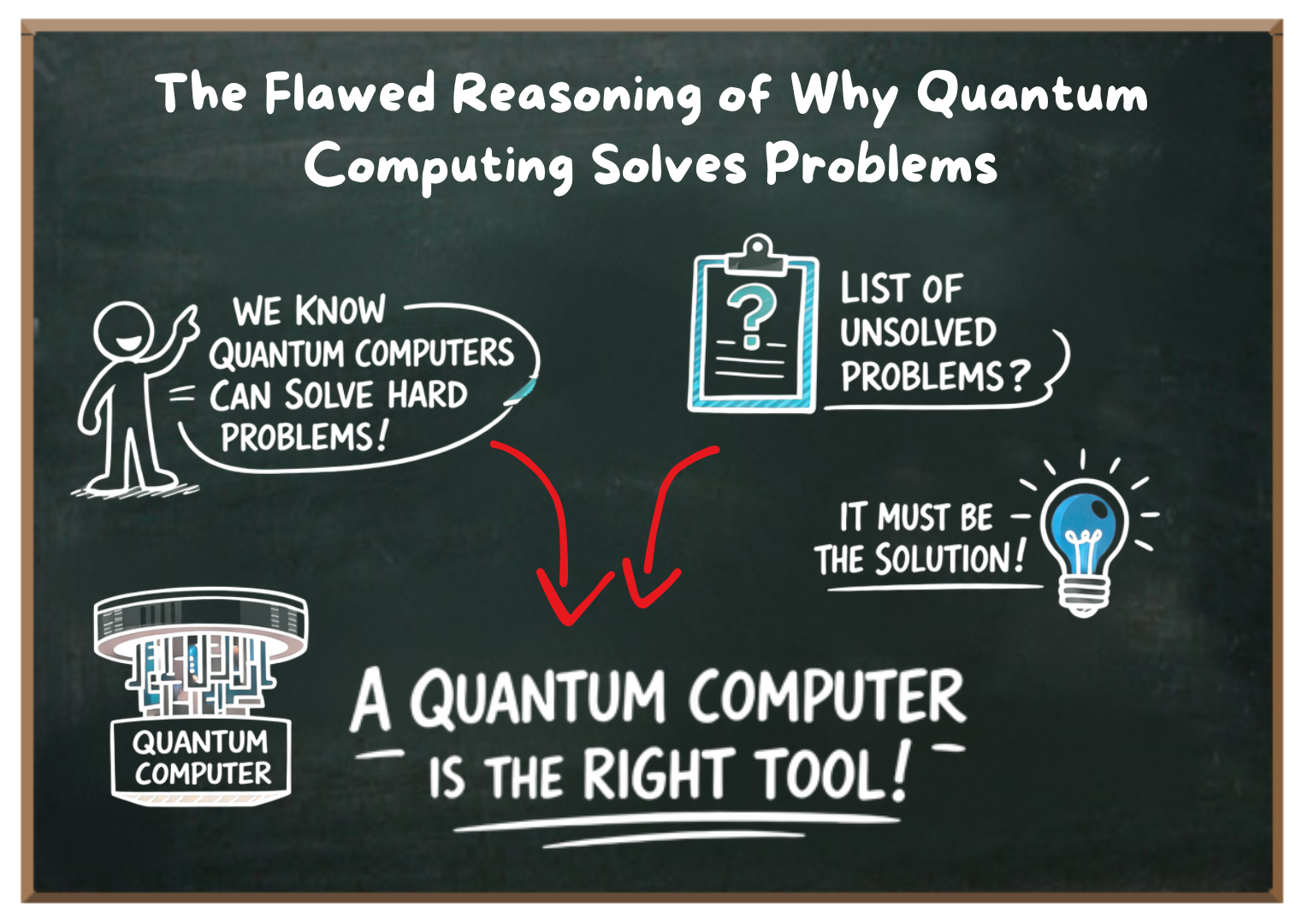
But this underlying assumption is wrong. Knowing how qubits behave as physical systems does not explain where quantum advantage comes from.
The leap from physical behavior to algorithmic structure does not happen automatically. It must be taught.
This change in teaching philosophy alone justifies a new series.
Furthermore, this new book series is no longer about quantum machine learning as a niche discipline. It is about the development of quantum applications.
From the perspective of an application developer, the questions we face are fundamentally different from those that physicists have to deal with when developing quantum hardware.
As an application developer, you don’t need to understand how to build a quantum processor to decide whether a quantum algorithm is useful for a particular problem. Therefore, you don’t need to be or become a physicist.
And this applies regardless of whether a problem comes from the field of machine learning, optimization, or even chemistry.
You can download the first chapter here.